The second course week of the European Palliative Care Academy took place in the middle of March. The EUPCA participants spend one week at the Cicely Saunders Institute at King’s College London.
The focus of the London week was the research module of the course. Dr Jonathan Koffman, Dr Catherine Evans, and other experts instructed the emerging palliative care leaders on many crucial aspects of research. The Cicely Saunders Institute is known for its cutting-edge research in the field of palliative care which made it the perfect surrounding for the EUPCA participants to develop their knowledge and skill base in the subject of research which is essential for promoting high quality palliative care practices.
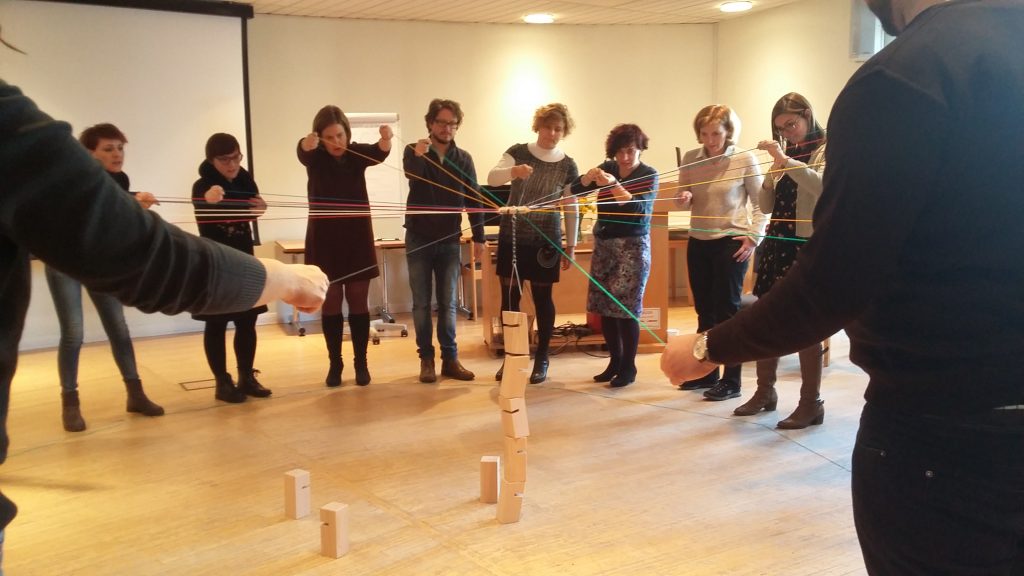
The module was introduced with a debate to emphasize the importance of evidence. In following sessions study and questionnaire designs were explained, and participants learned how to plan and conduct a study including quantitative and qualitative methods of data collection. Ethical aspects, the development of complex interventions, and methods of critically appraising research papers were also discussed. One participant said: “It is very useful to show how theory and practice are related”.
The EUPCA participants also had the chance to visit the St. Christopher’s Hospice as part of the Local Best Practice module. As the first modern hospice ever built it is a place worth visiting for emerging palliative care leaders to get inspired. Participants really enjoyed the session at the Hospice: “Mary’s memories and experiences were really amazing. The environment and all the staff were so friendly and smart.”
During the sessions of the Personal Development module the topics team and self-awareness were discussed.
As participants had started working on their personal projects in September, there were also Project Management sessions with room to discuss and exchange individual progression, problems and funding.
Thanks to everybody who helped making this great course week in London possible!
 Within the course he developed a curriculum to improve the resilience of firefighters who are dealing with death and dying on their duty. In a qualitative study he identified needs and resources of firefighters and based a training curriculum on his findings. We are proud to share his publication. Please follow the
  Voluntary Work in Action was the subject of the next two modules. It revolved around educational meetings in kindergartens, schools, parishes etc. in Silesia Voivodeship. We promoted palliative care in these institutions and invited people to become our volunteers in action. Interested people could then participate in fairs, collections and other projects as for example the one of Mrs. Iwona, one of our volunteers. She began her volunteer work by preparing beautiful and unique handicraft paper-daffodils to sell at the fair. By now, she has become a corporate volunteer – as a PKO employee – and helps us cooperate with the PKO Foundation which kindly gave us a donation as well. As indicated above, an important part of our project was the development of manual activities for patients. We used different techniques in our workshops, for example decouphage and artichoke handicraft, among others. This way, we could find out which techniques and materials will be suitable for our patients. This activity drew a lot of support by elderly people who helped us prepare handicrafts for the fair. In the first module, too, elderly people were among those helping out the patients, for example by spending time with them in the ward.
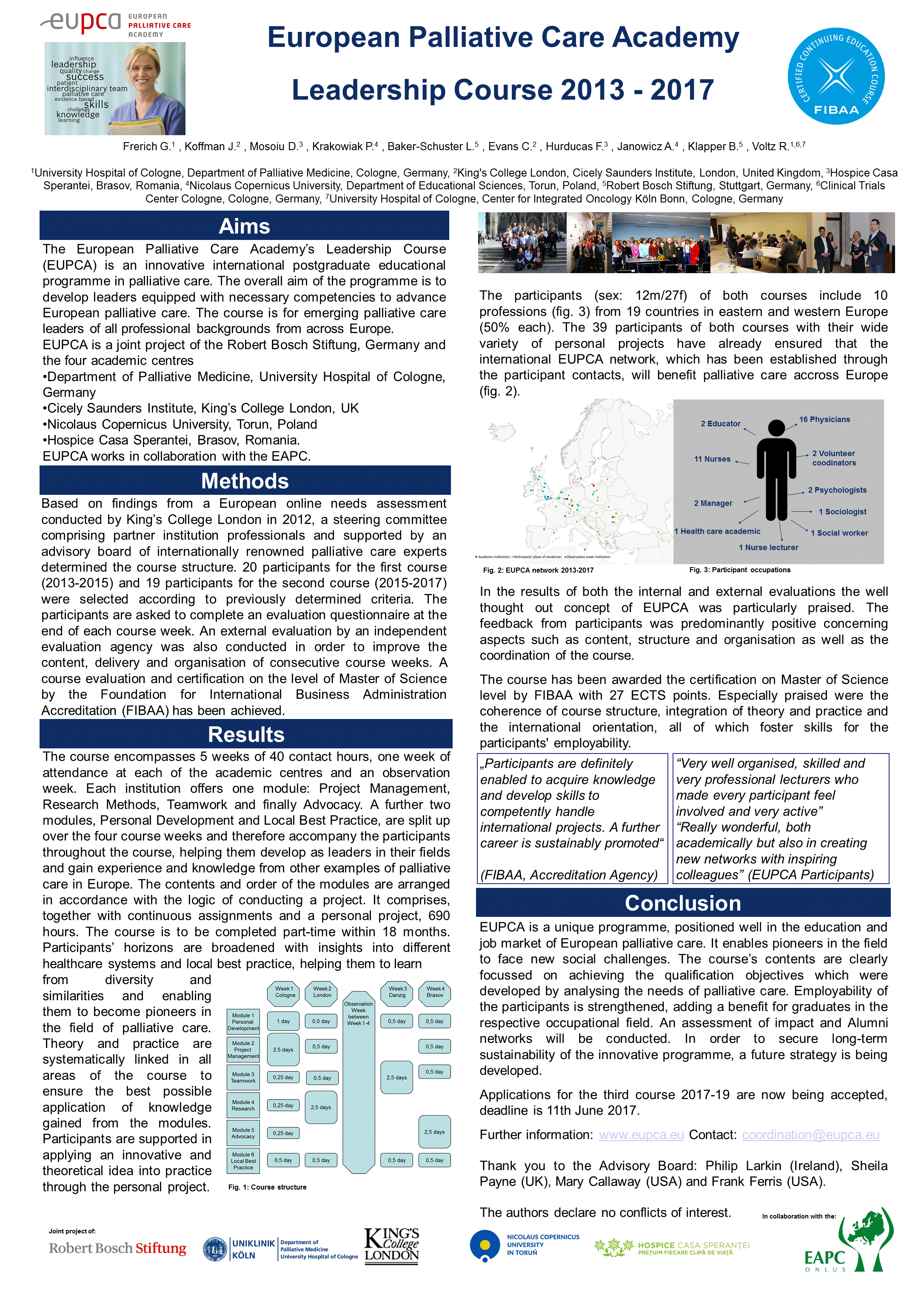
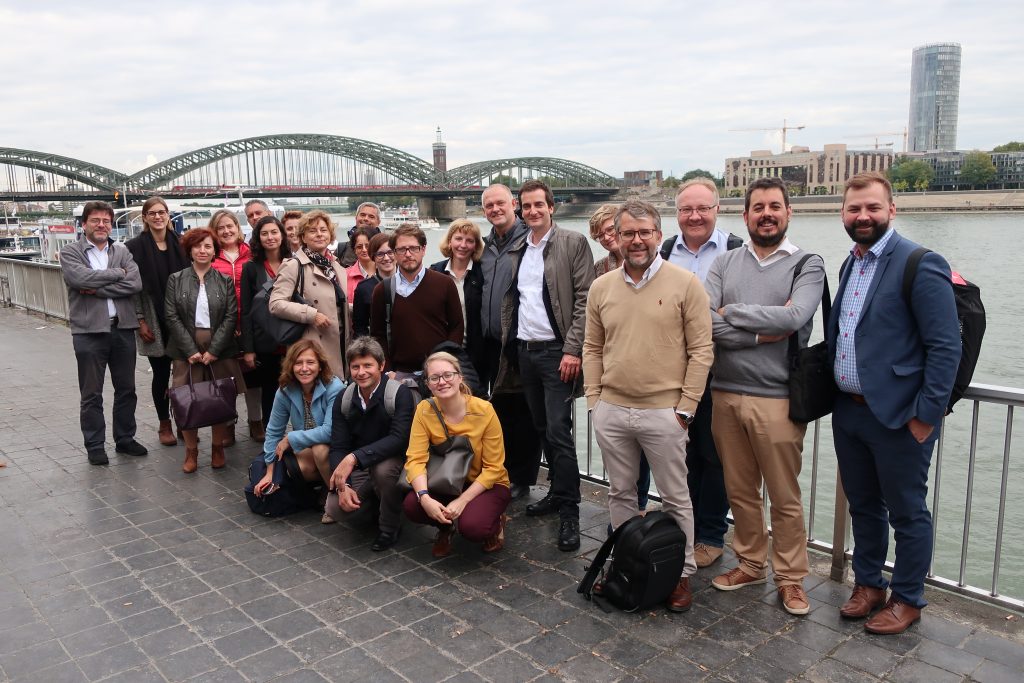 Aim of this unique further education course is to prepare specialists in palliative care for prospective leadership tasks in their professional lives. The European Palliative Care Academy focuses on Personal Development, Project Management, Teamwork, Research Methods and Advocacy and supports participants to successfully implement their personal project in their region or institution.
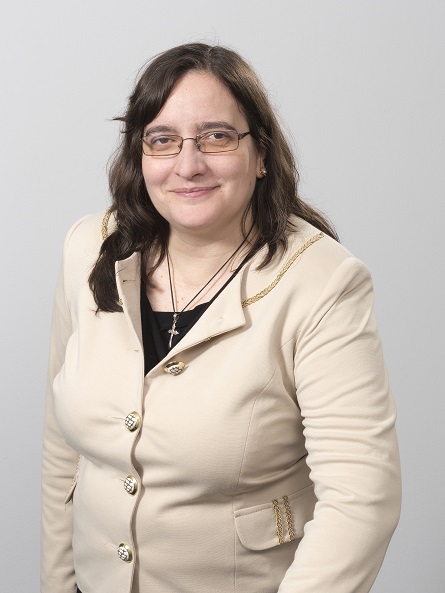
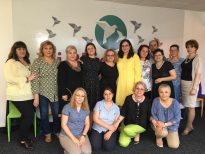 The first training course based on the psychological counseling curriculum in palliative care has recently ended in Bucharest, Romania. The course was structured into five modules which took place in June and July 2017. Adriana Caruntu was a lecturer in the first module. The second and third module were supported by the psychologist Mrs. Diana Vasile. Mrs. Florentina Nicolescu gave support in the fourth module and Mrs. Luxita Bara in the fifth module, both are psychologists, too. The course was considered a success for both – lecturers and participants.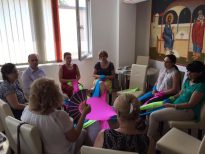
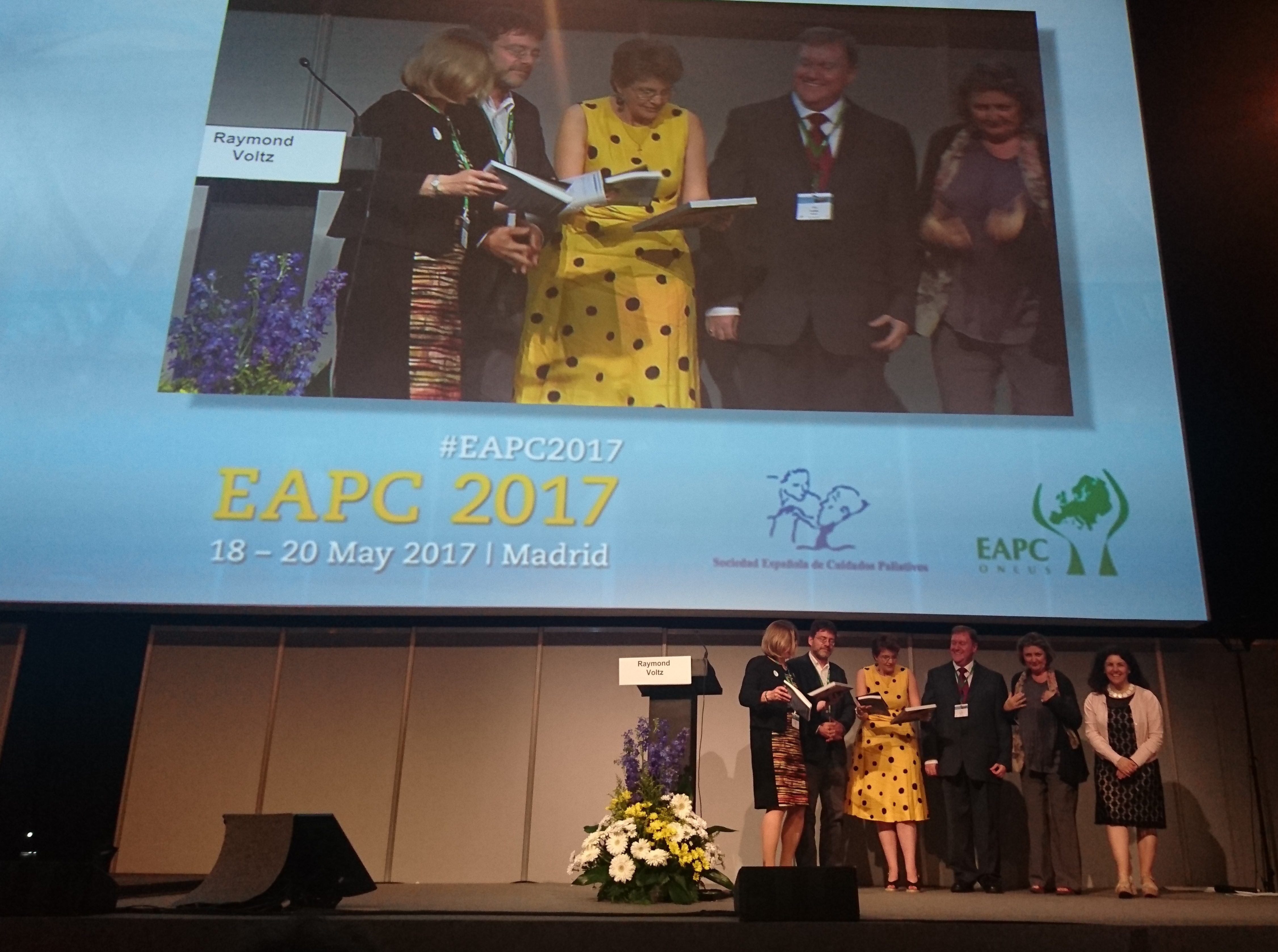
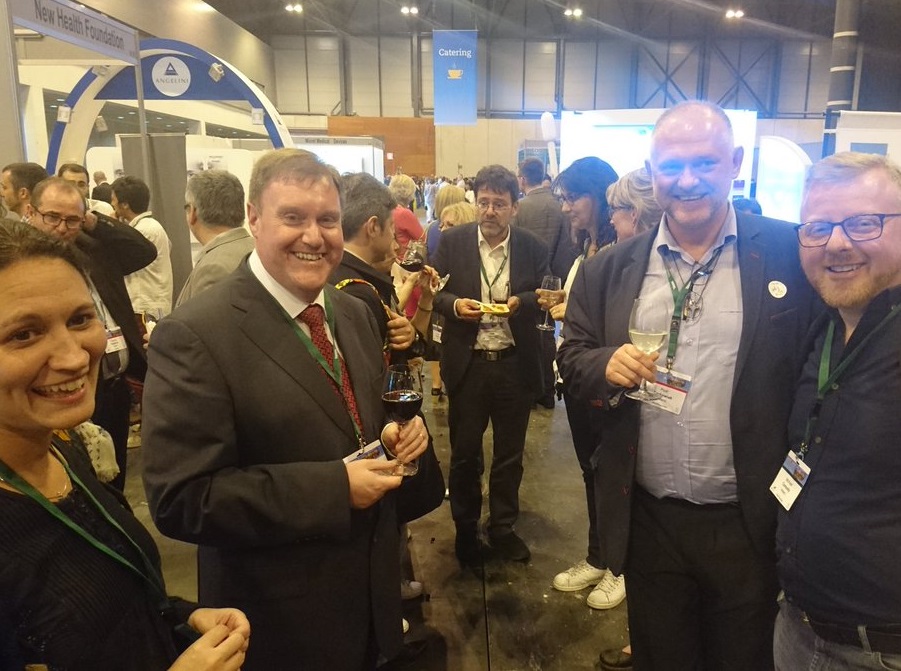
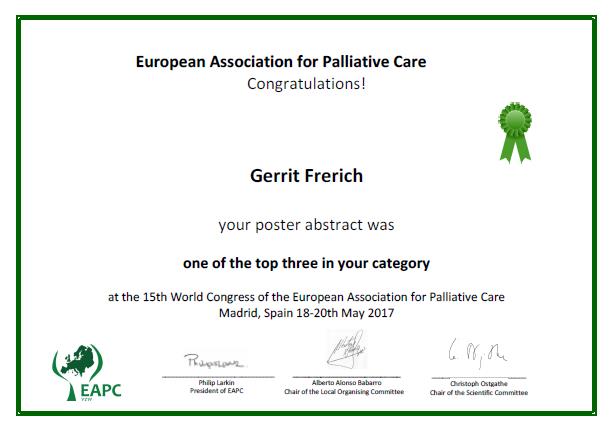
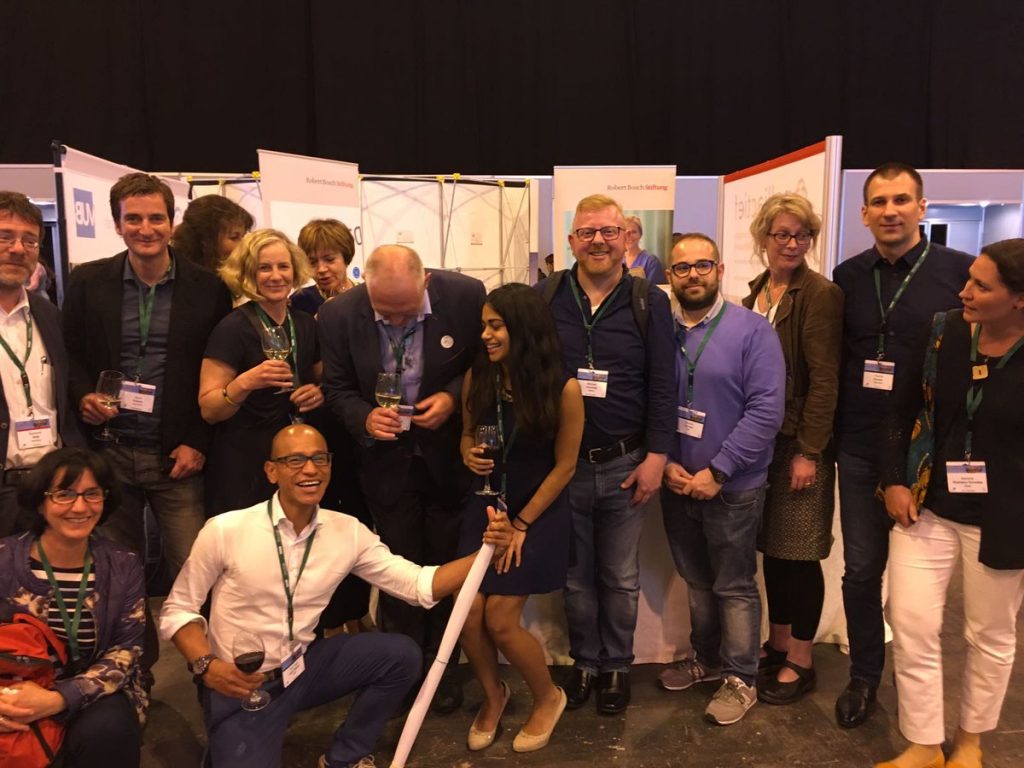 Madrid from the 18th to the 20th May. According to the EAPC Website, this year there were approximately 2,800 People in attendance from a wide variety of backgrounds in palliative care from both Europe and the wider international community.